
10 Tips for Improving Email Open Rates with Brevo
Improving email open rates is one of the most effective ways to increase engagement and get more value from your email marketing efforts. Even the best email content cannot generate results if subscribers never open your messages.
Many businesses struggle with low open rates because of issues related to timing, audience targeting, list quality, and subject line optimization. Fortunately, Brevo provides a range of tools that can help improve performance and create more relevant experiences for subscribers.
What Is a Good Email Open Rate?
Email open rates vary by industry, audience, and campaign type. While benchmarks differ, most businesses aim to consistently improve engagement over time rather than focus solely on industry averages.
The most important goal is ensuring your emails reach interested subscribers and provide value that encourages future engagement.
1. Write Better Subject Lines
Your subject line is often the first thing subscribers notice. Clear, relevant, and benefit-driven subject lines are more likely to attract attention than vague or overly promotional messages.
Focus on:
- Clarity
- Relevance
- Personalization
- Value-driven messaging
Testing different subject line variations can help identify what resonates best with your audience.
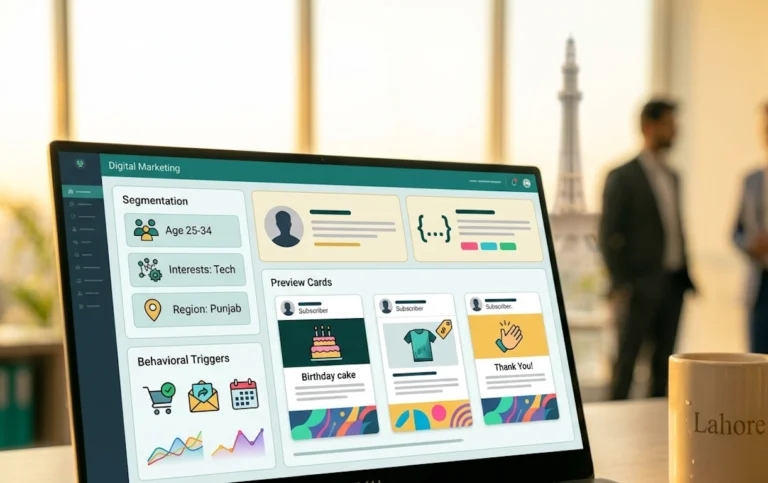
2. Segment Your Audience
Not every subscriber has the same interests or needs. Audience segmentation allows you to send more relevant content to specific groups.
You can segment contacts based on:
- Purchase history
- Engagement levels
- Location
- Customer interests
- Signup source
More relevant emails often generate higher engagement.
3. Personalize Your Campaigns
Personalization goes beyond adding a subscriber’s first name.
Consider using:
- Product recommendations
- Customer preferences
- Previous interactions
- Location-specific content
Personalized messaging helps create a more relevant and engaging experience.
4. Optimize Send Times
Timing can significantly impact open rates.
Experiment with different sending schedules and review campaign analytics to determine when your audience is most active. Sending emails when subscribers are likely to check their inbox can improve visibility and engagement.
5. Use Effective Preheader Text
Preheader text appears alongside the subject line in many inboxes and provides additional context about your email.
A strong preheader can:
- Support the subject line
- Increase curiosity
- Highlight key benefits
- Encourage opens
Treat it as an extension of your subject line rather than an afterthought.
6. Design for Mobile Devices
A large percentage of emails are opened on smartphones and tablets.
To improve the mobile experience:
- Keep subject lines concise
- Use responsive templates
- Make buttons easy to tap
- Use readable font sizes
Mobile-friendly emails help improve overall engagement.
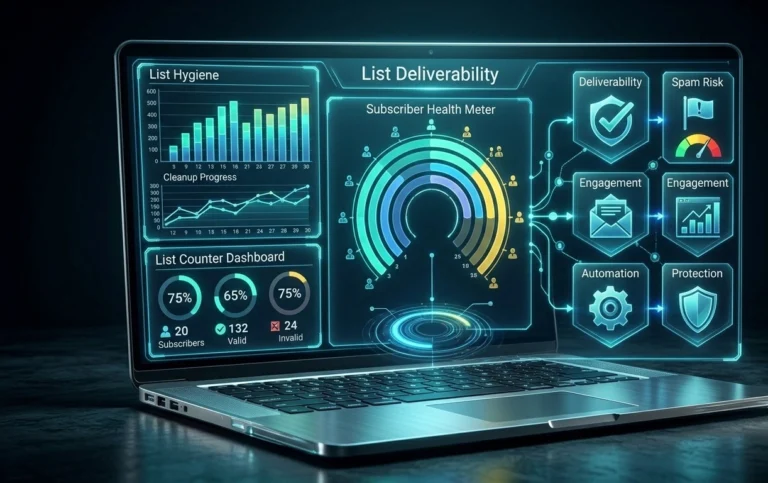
7. Maintain a Clean Email List
Regular list maintenance helps protect sender reputation and improve performance.
Remove:
- Invalid email addresses
- Repeated hard bounces
- Long-term inactive subscribers
A healthier list often leads to better engagement metrics.
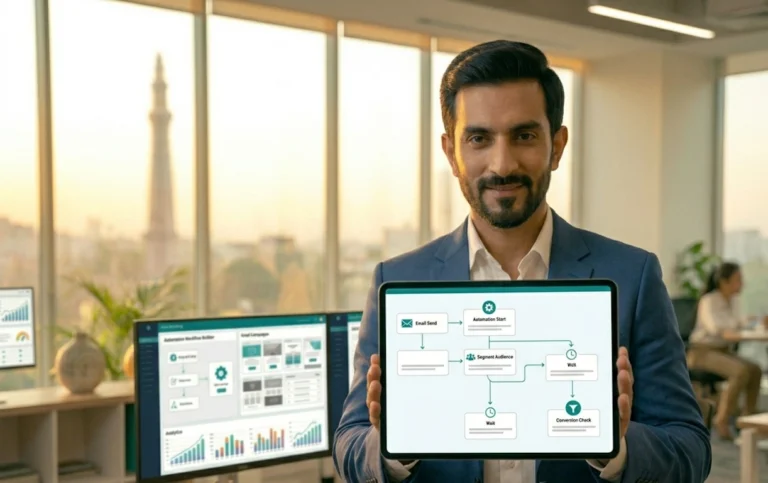
8. Automate Key Customer Journeys
Automated emails are often more relevant because they are triggered by specific actions.
Common examples include:
- Welcome emails
- Follow-up sequences
- Abandoned cart reminders
- Purchase confirmations
These campaigns typically achieve stronger engagement than general email broadcasts.
9. Stay Consistent
Consistency helps build familiarity and trust with your audience.
Develop a regular email schedule that subscribers can expect. Avoid long gaps followed by sudden bursts of communication.
10. Review Campaign Analytics
Monitoring performance data is essential for continuous improvement.
Track metrics such as:
- Open rates
- Click-through rates
- Unsubscribe rates
- Conversion rates
Regular analysis helps identify opportunities for optimization and growth.
Best Practices for Long-Term Success
Successful email marketing is built on relevance, consistency, and ongoing improvement. Rather than relying on a single tactic, focus on combining audience segmentation, personalization, testing, and list management to create a better subscriber experience.
Brevo provides tools that make it easier to manage campaigns, automate communication, and analyze results, helping businesses build stronger customer relationships over time.
Conclusion
Improving email open rates requires a combination of strong subject lines, audience targeting, personalized messaging, and regular optimization. By using Brevo’s features strategically and focusing on delivering value to subscribers, businesses can increase engagement and achieve better email marketing results.
Frequently Asked Questions
How can I improve email open rates with Brevo?
Focus on better subject lines, audience segmentation, personalization, optimized send times, and regular list maintenance.
Does personalization help increase open rates?
Yes. Relevant and personalized content often improves engagement and encourages more subscribers to open emails.
Why is email list cleaning important?
Removing inactive and invalid contacts helps improve sender reputation and provides more accurate performance metrics.
How often should I review campaign performance?
Review analytics after every campaign and conduct broader performance audits regularly to identify trends and opportunities for improvement.