5 Personalization Strategies in Brevo for Better Customer Engagement
Personalization has become one of the most effective ways to improve email marketing performance. Today’s customers expect relevant content, tailored recommendations, and communication that reflects their interests and needs. Generic messages often go unnoticed, while personalized experiences can significantly improve engagement and build stronger customer relationships.
Brevo provides powerful personalization tools that allow businesses to create more meaningful interactions throughout the customer journey. By using customer data, behavioral insights, and segmentation, businesses can deliver messages that feel more relevant and valuable to every subscriber.
What Is Personalization in Brevo?
Personalization in Brevo allows businesses to customize email content based on subscriber information and behavior. Rather than sending identical messages to every contact, marketers can tailor content using data such as:
- First name
- Location
- Purchase history
- Website activity
- Customer preferences
- Engagement behavior
This helps create more relevant communications that resonate with individual subscribers.
Why Personalization Matters
Customers are more likely to engage with content that reflects their interests and needs. Personalized marketing can help businesses:
- Increase email open rates
- Improve click-through rates
- Enhance customer experience
- Strengthen customer loyalty
- Generate more conversions
When subscribers receive relevant content, they are more likely to interact with your brand and take action.
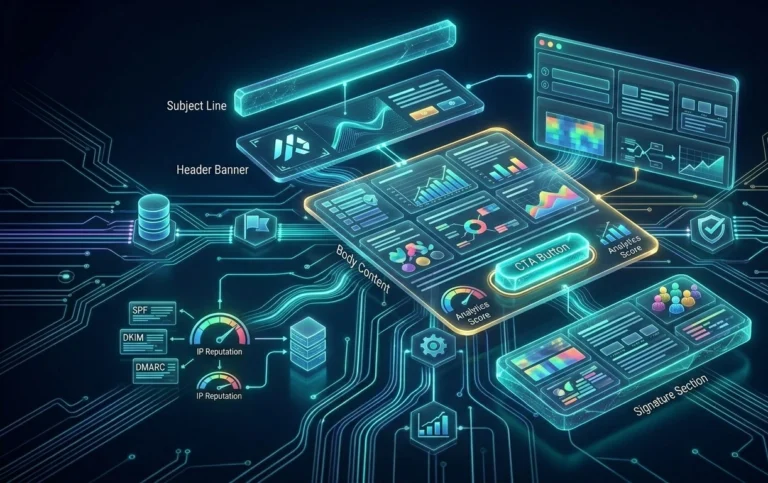
1. Personalize Subject Lines
Including customer information such as a first name can make emails feel more relevant and encourage recipients to open your messages.
Personalized subject lines can help capture attention in crowded inboxes and improve overall campaign performance.
2. Segment Your Audience
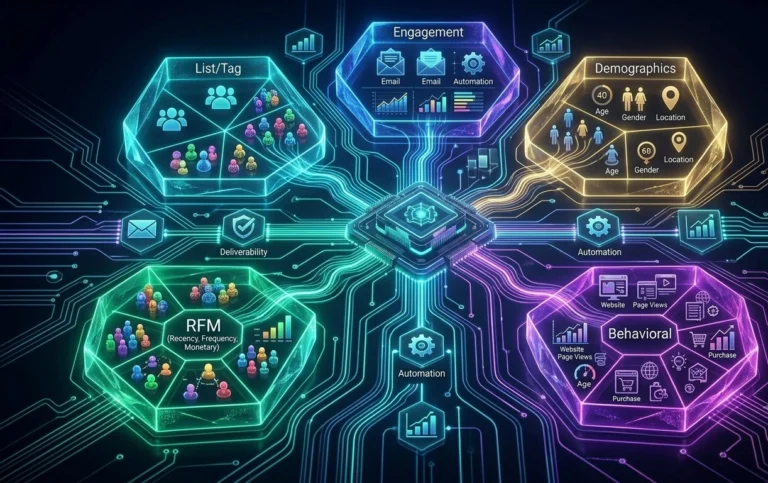
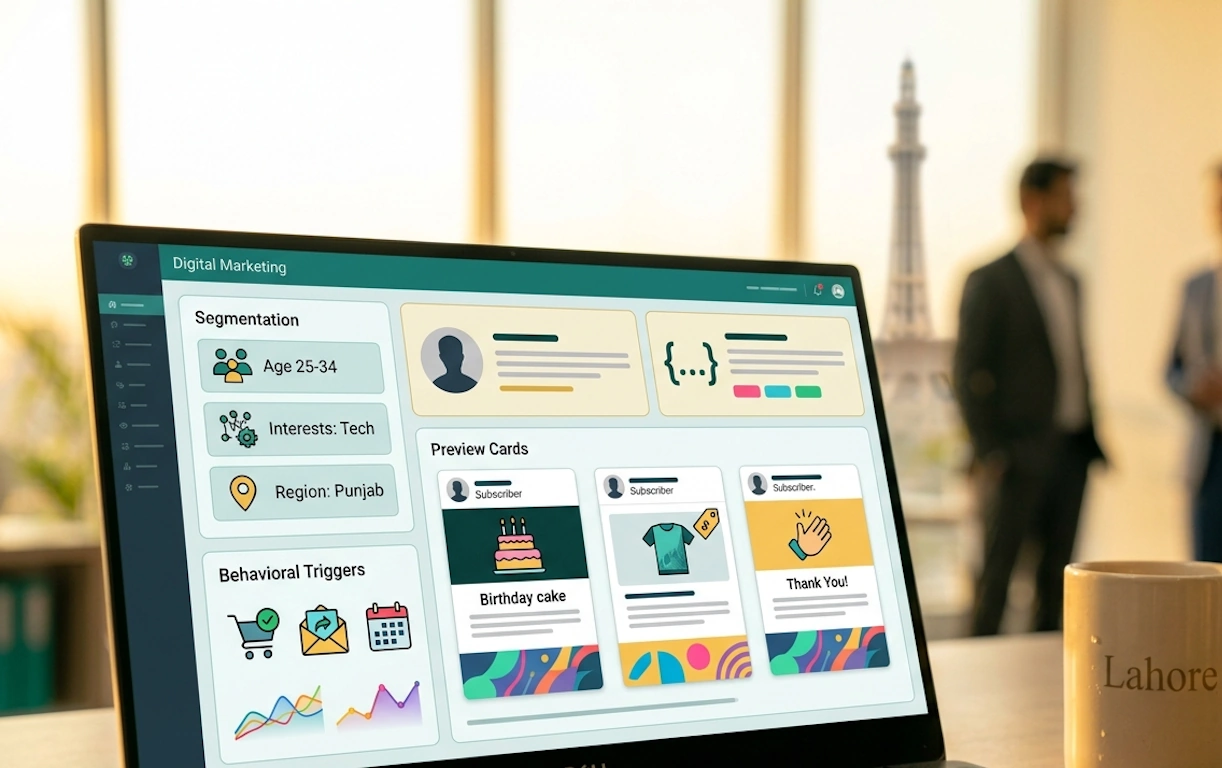
Audience segmentation allows you to group contacts based on shared characteristics, interests, or behaviors.
Common segmentation criteria include:
- Purchase history
- Geographic location
- Customer interests
- Engagement levels
- Lifecycle stage
Targeted messaging often performs better than broad, one-size-fits-all campaigns.
3. Use Dynamic Content
Dynamic content enables different subscribers to see different content within the same email campaign.
For example:
- Product recommendations based on previous purchases
- Region-specific offers
- Content tailored to customer interests
This creates a more personalized experience without requiring multiple campaigns.
4. Create Behavior-Based Automations
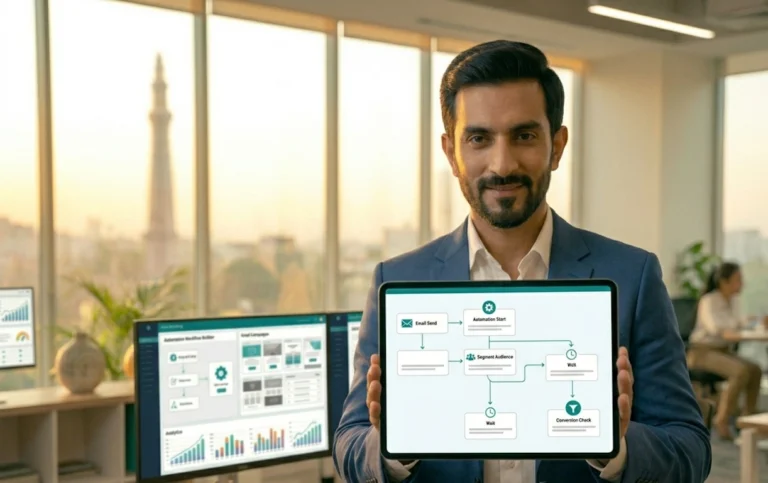
Brevo allows businesses to trigger automated emails based on customer actions.
Examples include:
- Welcome emails for new subscribers
- Abandoned cart reminders
- Post-purchase follow-ups
- Re-engagement campaigns
Behavior-based automation helps ensure customers receive timely and relevant communication.
5. Personalize the Customer Journey
Personalization extends beyond individual emails. Businesses can create tailored customer journeys based on subscriber actions, preferences, and engagement history.
This approach helps build stronger relationships and improves the overall customer experience.
Best Practices for Effective Personalization
To maximize results:
- Collect relevant customer data responsibly
- Keep information accurate and updated
- Segment audiences thoughtfully
- Focus on providing value
- Avoid overusing personal information
- Test and optimize campaigns regularly
Successful personalization should feel helpful and relevant rather than intrusive.
Privacy and Data Protection
Personalization relies on customer data, making privacy an important consideration. Businesses should always:
- Obtain appropriate consent
- Follow applicable privacy regulations
- Clearly explain how data is used
- Allow users to manage their preferences
Building trust is essential for long-term customer relationships.
Benefits of Personalization in Brevo
Businesses that use personalization effectively often experience:
- Higher engagement rates
- Better customer retention
- Increased customer satisfaction
- Stronger brand loyalty
- Improved marketing performance
Personalized communication helps businesses create more meaningful connections with their audience.
Final Thoughts
Personalization is no longer optional in modern email marketing. Customers expect relevant experiences that reflect their interests and behaviors. Brevo provides the tools needed to create personalized campaigns, automate customer journeys, and deliver more engaging communications.
By focusing on relevant content, thoughtful segmentation, and customer-focused experiences, businesses can improve engagement, strengthen relationships, and support long-term growth.
Frequently Asked Questions
What is personalization in Brevo?
Personalization in Brevo allows businesses to customize email content using customer information such as names, preferences, purchase history, and behavioral data.
Does personalization improve email performance?
Yes. Personalized campaigns often achieve higher engagement rates because they provide more relevant content to subscribers.
What data can I use for personalization?
Businesses can use customer attributes such as names, locations, interests, purchase history, and engagement activity.
Is personalization difficult to set up?
No. Brevo provides user-friendly tools that allow businesses to add personalization and segmentation without requiring advanced technical skills.